
2007 to present
The Visual Archive of the Global Imaginary.
A living museum of a shared planetary consciousness, curated by Tommaso Durante.
Three dimensions · Ideological · Political · Cultural
Enter the archive2007 to present
The Visual Archive Project
of the Global Imaginary.
A living museum of a shared planetary consciousness. A high fidelity visual archive across three dimensions, curated by Tommaso Durante.
A note from the curator
For two decades I have photographed how, in everyday life, at the local and the global scale, the symbolic and social imaginary is constructed. This archive is the visible trace of that question.
About
Tommaso Durante, a sociologist with a camera.
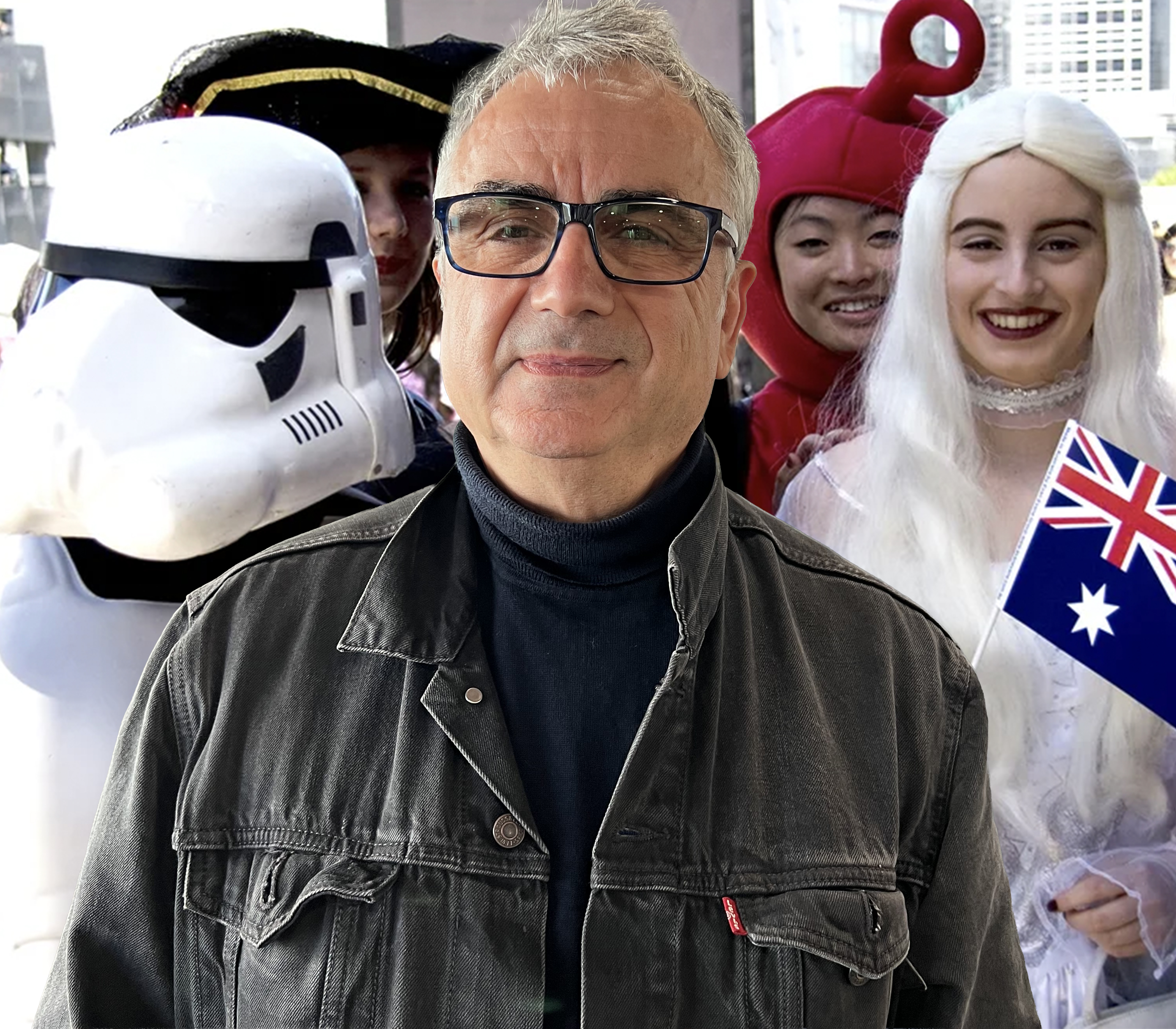
Tommaso Durante is a teacher, a researcher, and a professional, award winning visual artist. He moved from Italy to Australia in 2001 under a visa for distinguished talent for art.
Dr Tommaso Durante describes himself as a visual activist. He is a Lecturer in Media and Communications in the School of Culture and Communication, Faculty of Arts, at the University of Melbourne. He has taught Media and Communication at the University of Melbourne from 2019 to the present, Global Studies at RMIT University in Melbourne from 2014 to 2018, and International Relations online at the Centre for Global Politics at Freie Universitat Berlin, Germany, from 2017 to 2019.
As a Visiting Scholar, he has taught Methodologies in Researching Globalization at the Global and European Studies Institute, GESI, at Leipzig University, Germany, where in 2017 he was awarded the Erasmus Mundus Global Studies scholarship.
For the last decade, he has taught, researched, and written at the intersection of the aesthetics of the global imaginary, visual culture, and the philosophy of technology. He is the curator of The Visual Archive Project of the Global Imaginary, 2007 to present, and of Global Visual Politics, 2017 to present.
From the neoliberal to the algorithmic global imaginary — a long-form essay on the project's theoretical framework.
The archive
Three dimensions of the global imaginary.
The archive is read across three intersecting registers. Each is a way of looking, not a category to be filled. Together they map the contours of a planetary visual condition.
01
Ideological
Symbols, slogans, and sacred forms through which ideas of the world become visible.
View dimension
02
Political
Power, protest, and public space, photographed where the global meets the street.
View dimension
03
Cultural
Brands, rituals, and vernaculars that compose a shared planetary vocabulary.
View dimension
Selected images
From the field.
See full archive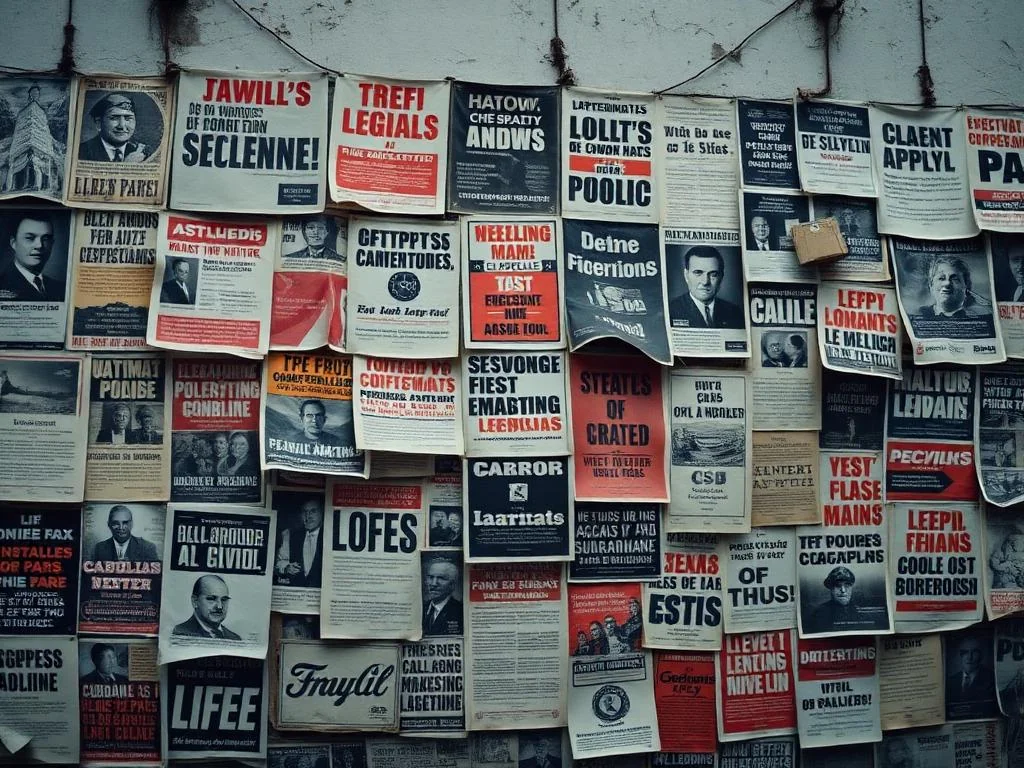
Berlin, Germany · 2014
One world, many tongues
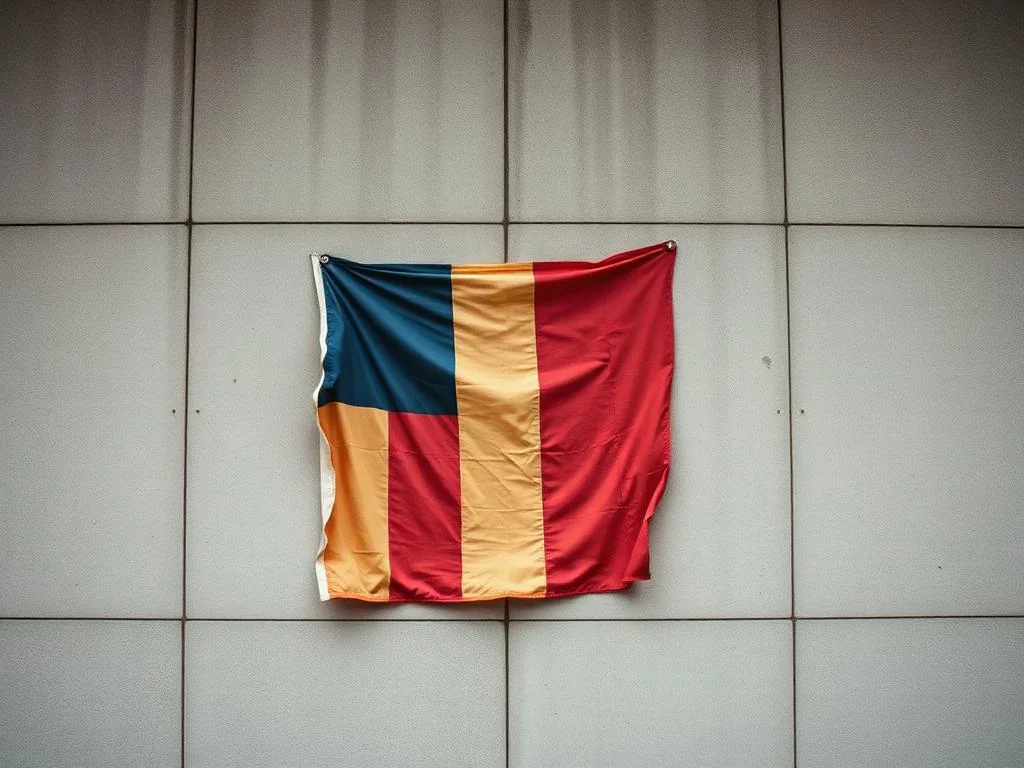
Athens, Greece · 2012
The flag dissolves
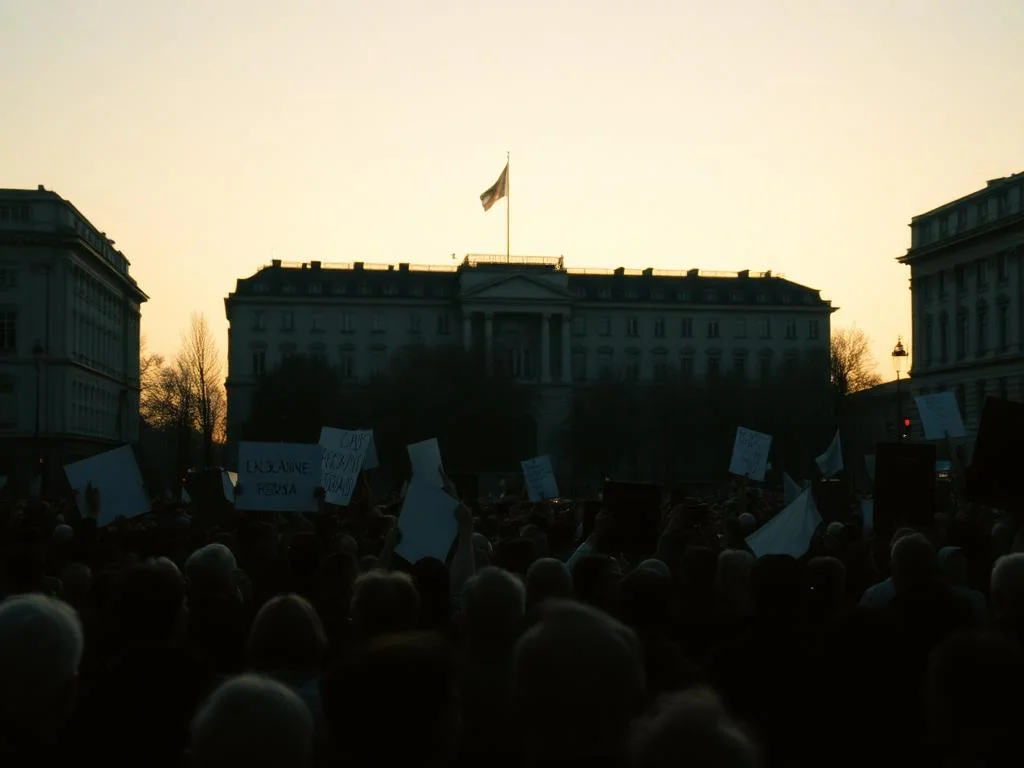
Istanbul, Turkey · 2013
The crowd as image
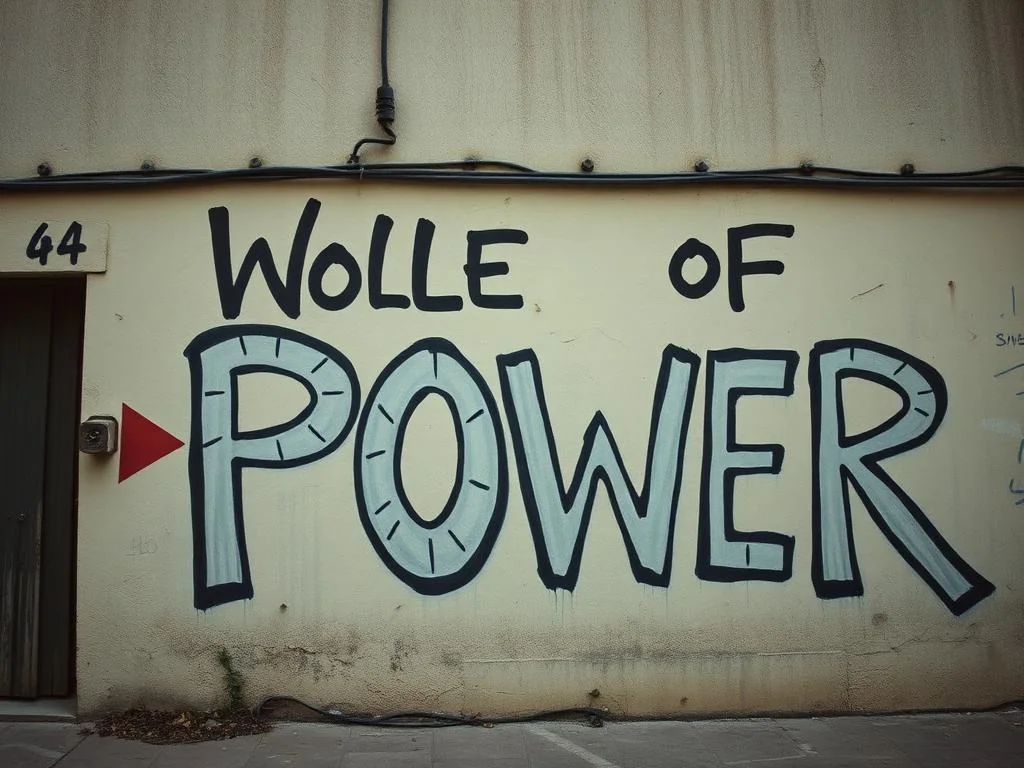
Cairo, Egypt · 2013
Power, written in paint
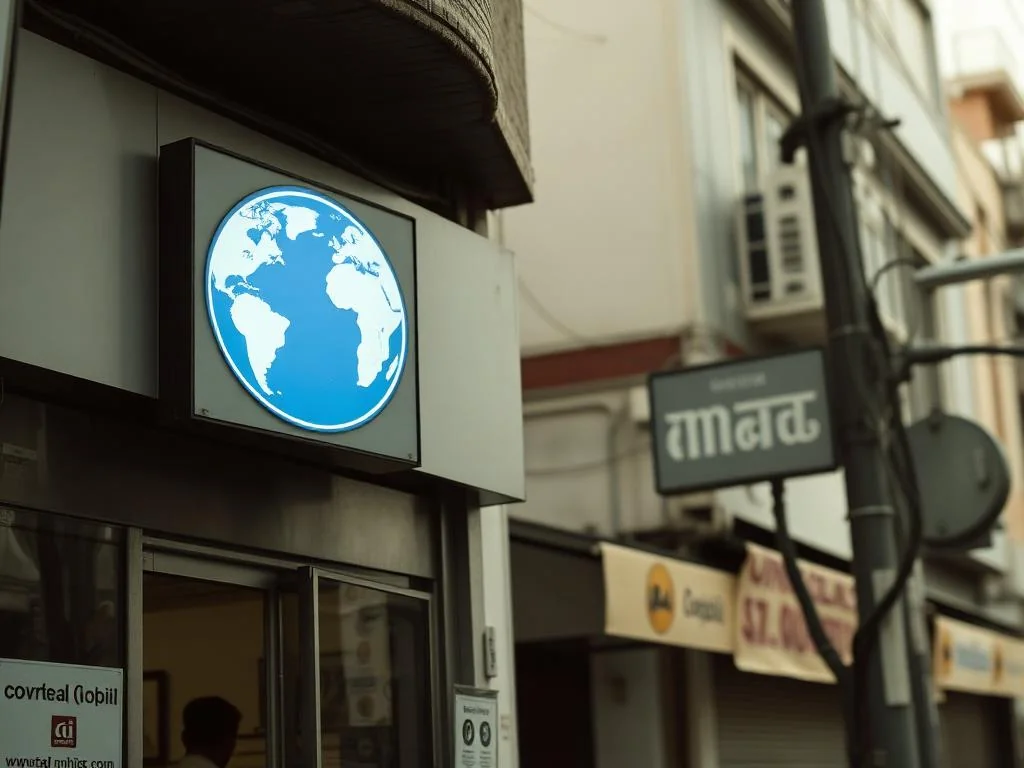
Tokyo, Japan · 2016
Logo, translated
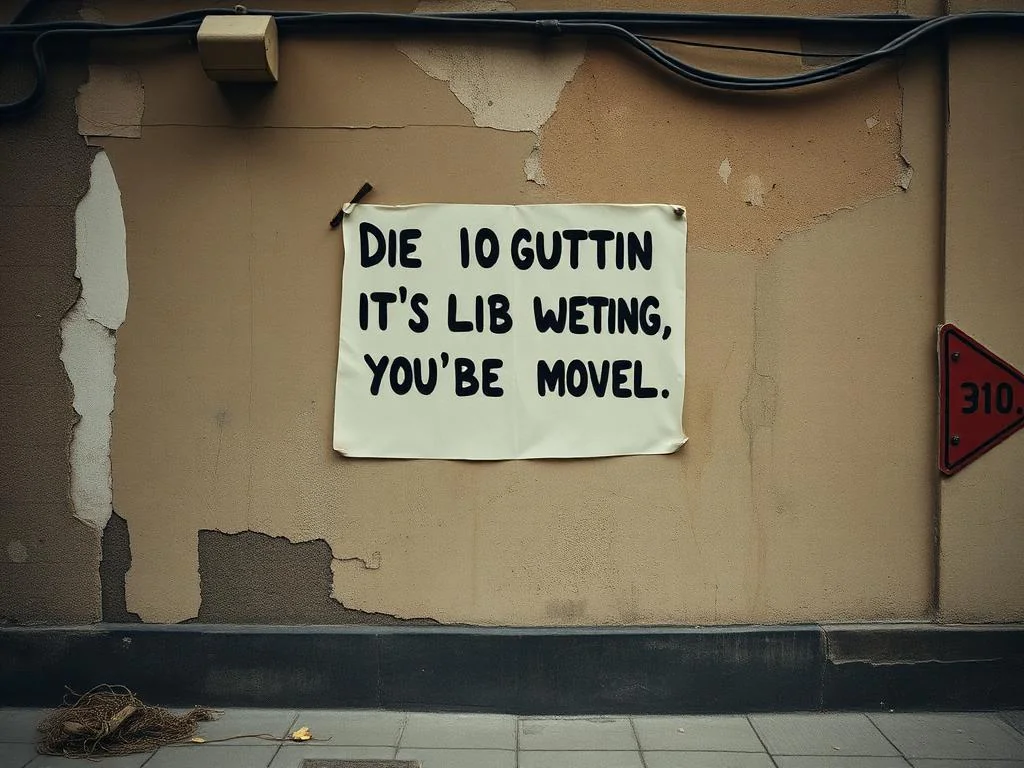
Lisbon, Portugal · 2018
Meme on a wall
Research
Selected writings.
Global Iconology
A critical visual method for the age of algorithmic ideology.
World on Sale / Deal of the Day
Reading a Melbourne bus-stop advertisement through global iconology.
The Global Reach of AI?
AI as universal container, and the standardisation of the local.
Bibliography
A partial bibliography of articles, chapters, and books connected to the archive and to the broader inquiry into the global imaginary.
Full publications on ORCiD- 2022
The Visual Archive Project of the Global Imaginary, a decade of practice
Journal of Visual Culture
- 2018
Iconographies of the global, towards a sociology of the visual
Globalizations
- 2014
The Global Imaginary, image, ideology, and everyday life
Routledge
- 2011
Reading the Wall, visual texts of a shared planetary condition
Cultural Politics
Contribute
Send an image to the archive.
An open invitation
Researchers, photographers, and readers are invited to propose images. Send your photograph along with location, year, and a short note on why it belongs to the global imaginary. Submissions are reviewed by the curator.
What we look for
Images of public space where the global meets the local, in any of the three dimensions of the archive.
After submission
Each proposal is read by the curator and, if accepted, credited to the photographer in the public archive.
How to submit
- 01Attach a high resolution image, JPG or PNG.
- 02Include city, country, and year.
- 03Add two or three sentences of context.
- 04Confirm authorship and consent to display.
Contact
Write to the curator.
Based in
Melbourne, Australia
Affiliation
School of Culture and Communication, University of Melbourne
Elsewhere
LinkedIn